Bottle care
A small ritual for a clearer bottle.
Gentle washing, complete drying and sensible temperature changes help keep glass and components in good condition.
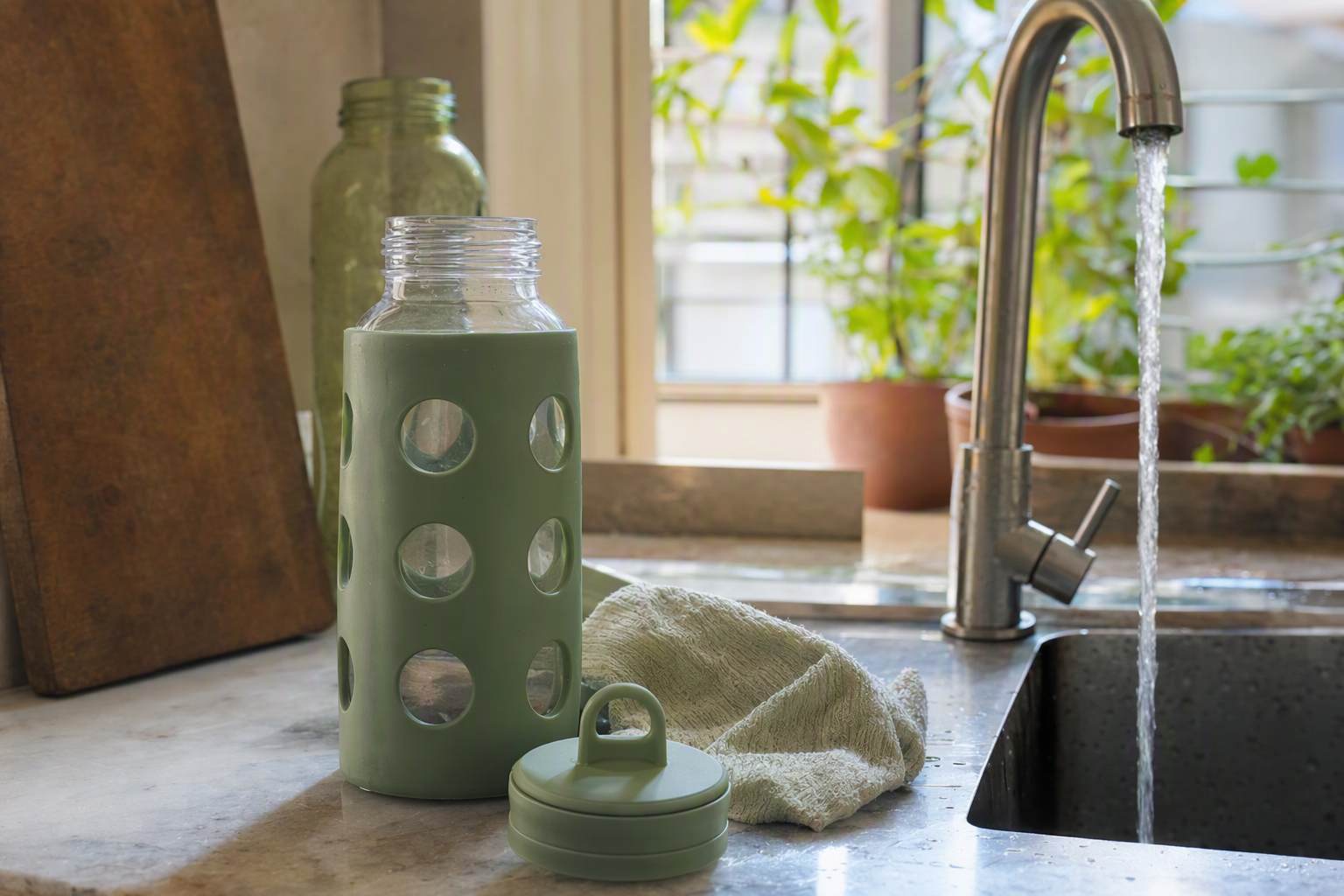
Before first use
Inspect, wash and dry.
Look closely
In good light, inspect the rim, body and base. Do not use a bottle with a chip, crack or sharp edge.
Separate the parts
Remove the lid, gasket and sleeve only as their fit safely allows.
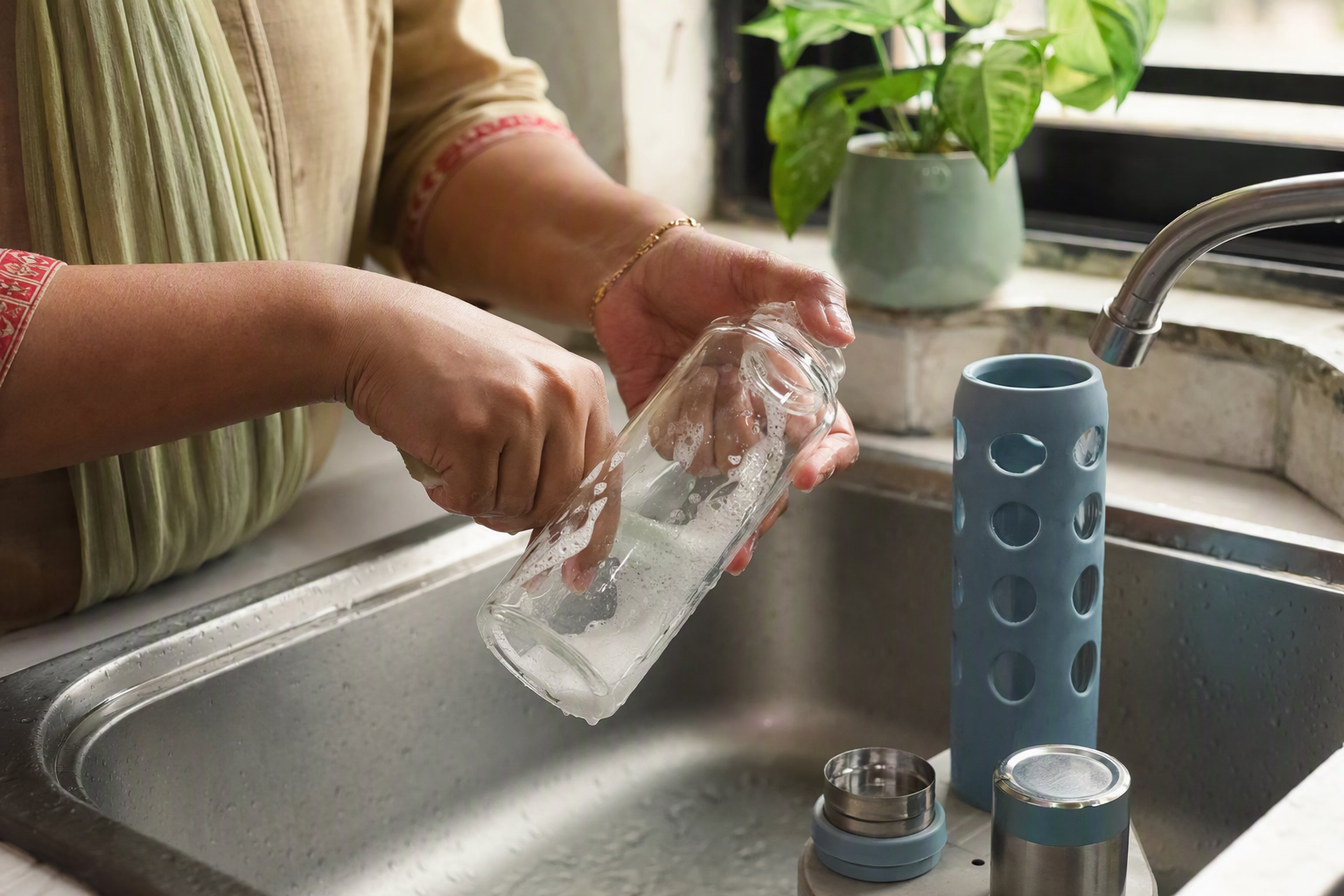
Wash gently
Use lukewarm water, mild dish soap and a soft brush. Rinse until no soap remains.
Air-dry fully
Place parts separately on a clean rack before reassembly.
Daily cleaning
Reach the places moisture waits.
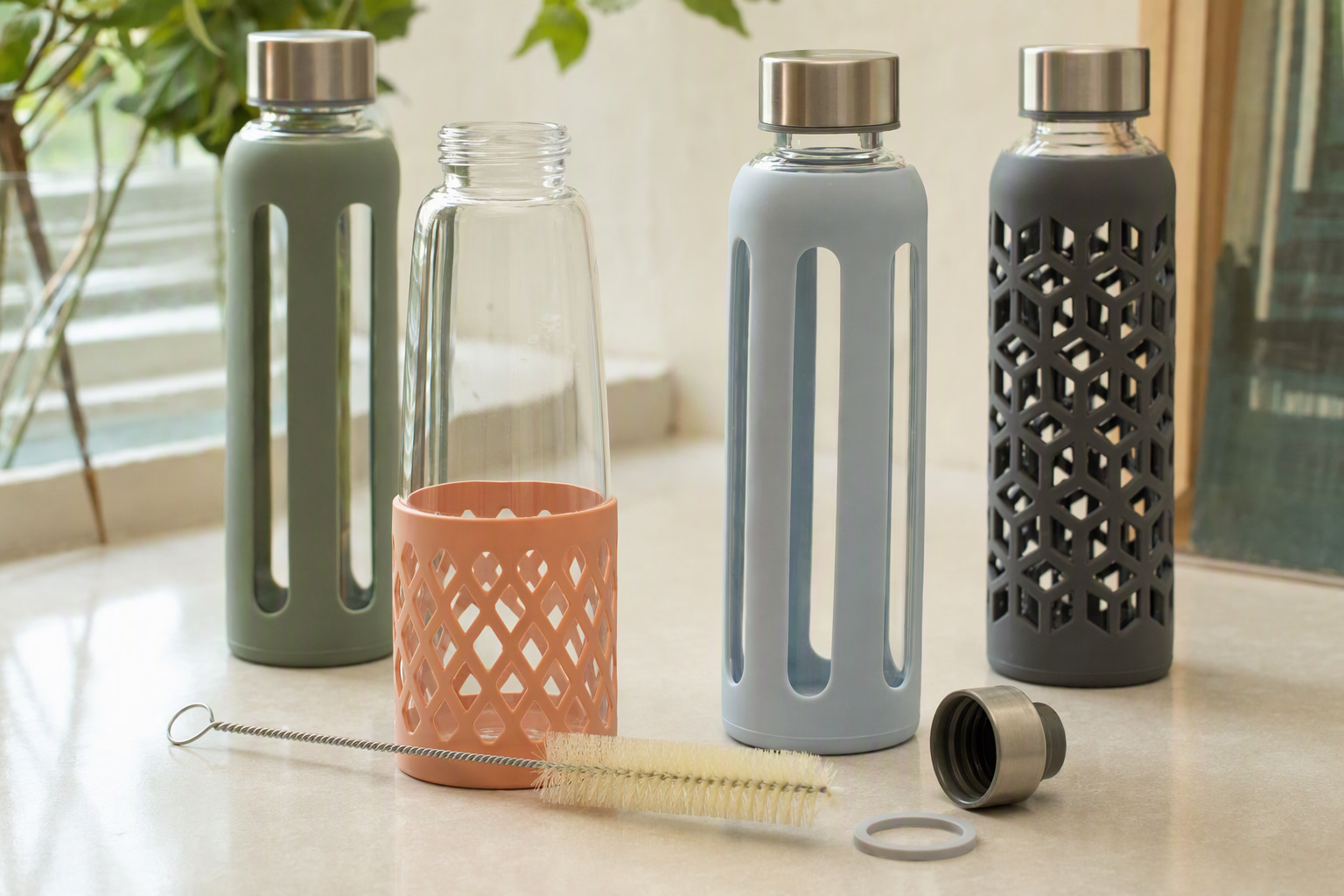
- Empty and rinse soon after use, especially after flavoured drinks.
- Use a non-abrasive brush inside the bottle and around lid threads.
- Lift out the gasket carefully rather than using a sharp metal tool.
- Dry the bottle open. Trapped moisture can create stale odours.
Dishwasher compatibility is not confirmed. Hand washing is the conservative choice.
Temperature safety
Avoid sudden changes.
Prevent thermal shock
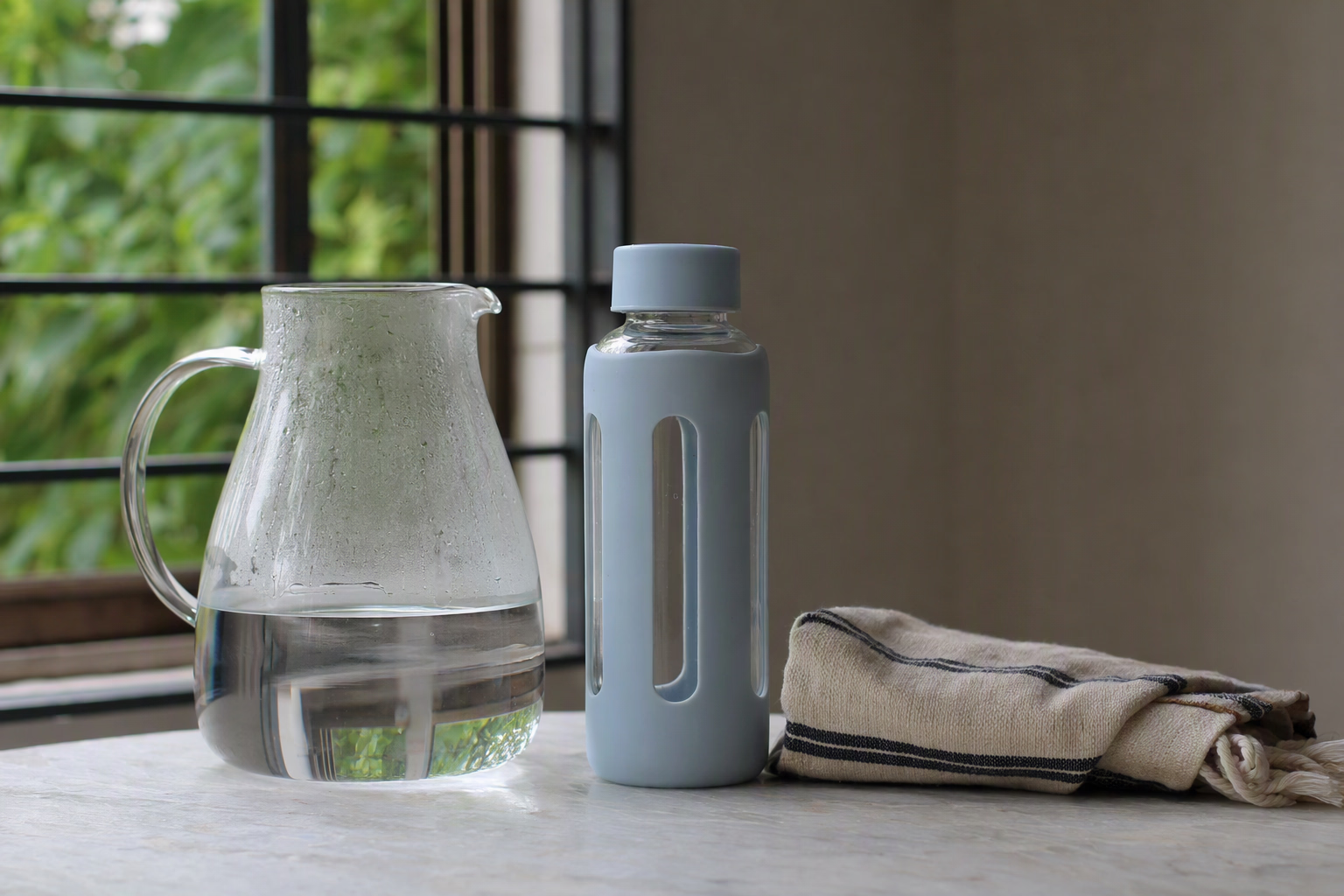
Do not pour boiling liquid into a cool bottle, move a hot bottle onto a cold or wet surface, freeze a full bottle, or transfer it directly between extreme temperatures. Until heat ratings are supplier-confirmed, use cool or room-temperature drinks.
Let the bottle change temperature gradually. Do not microwave it or place it on a stove, flame or heating element.
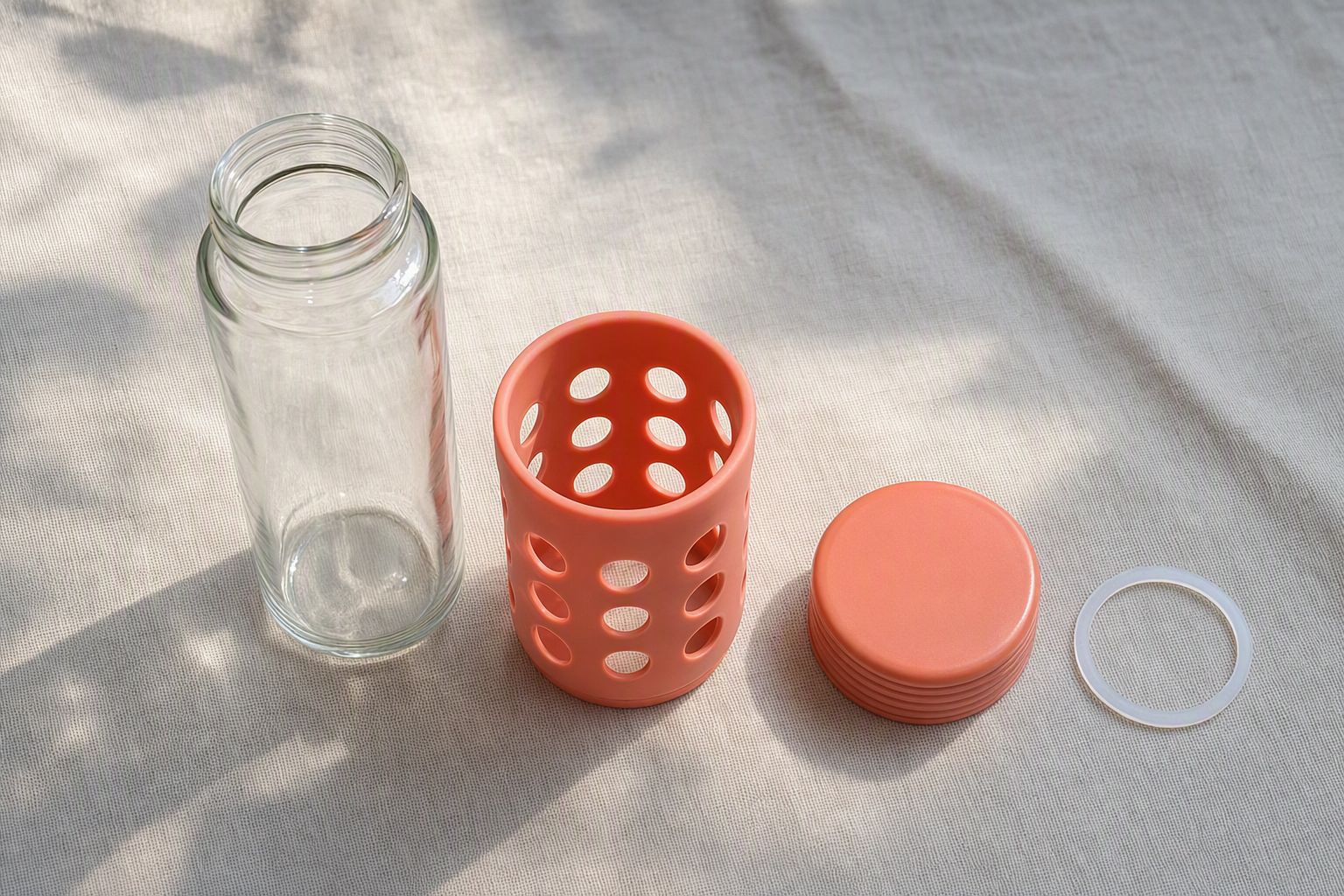
Sleeve & gasket
Clean every surface, then reassemble dry.
Remove the sleeve only with dry hands and gentle, even pressure. Wash it separately and let both the glass and sleeve dry fully before fitting them together. Check the gasket for stretching, tears, trapped residue or persistent odour.
Seat the gasket flat without twisting. If a component no longer fits properly, stop using the bottle until support can advise.
Chips, cracks or breakage
Stop. Isolate. Clean safely.
- Stop drinking and do not touch damaged edges.
- Keep children and pets away. Wear closed shoes and protective gloves.
- Pick up large pieces with tongs or thick card, then use damp paper to collect fine fragments.
- Do not reuse the lid or sleeve until each part has been checked for glass fragments.
- Wrap shards securely and follow your local waste collector’s guidance. Never place loose glass in a bag.
Arrived damaged?
Photograph the outer parcel, shipping label, internal packing and damage before moving items more than necessary. Keep everything and contact us promptly.
Damaged-arrival steps